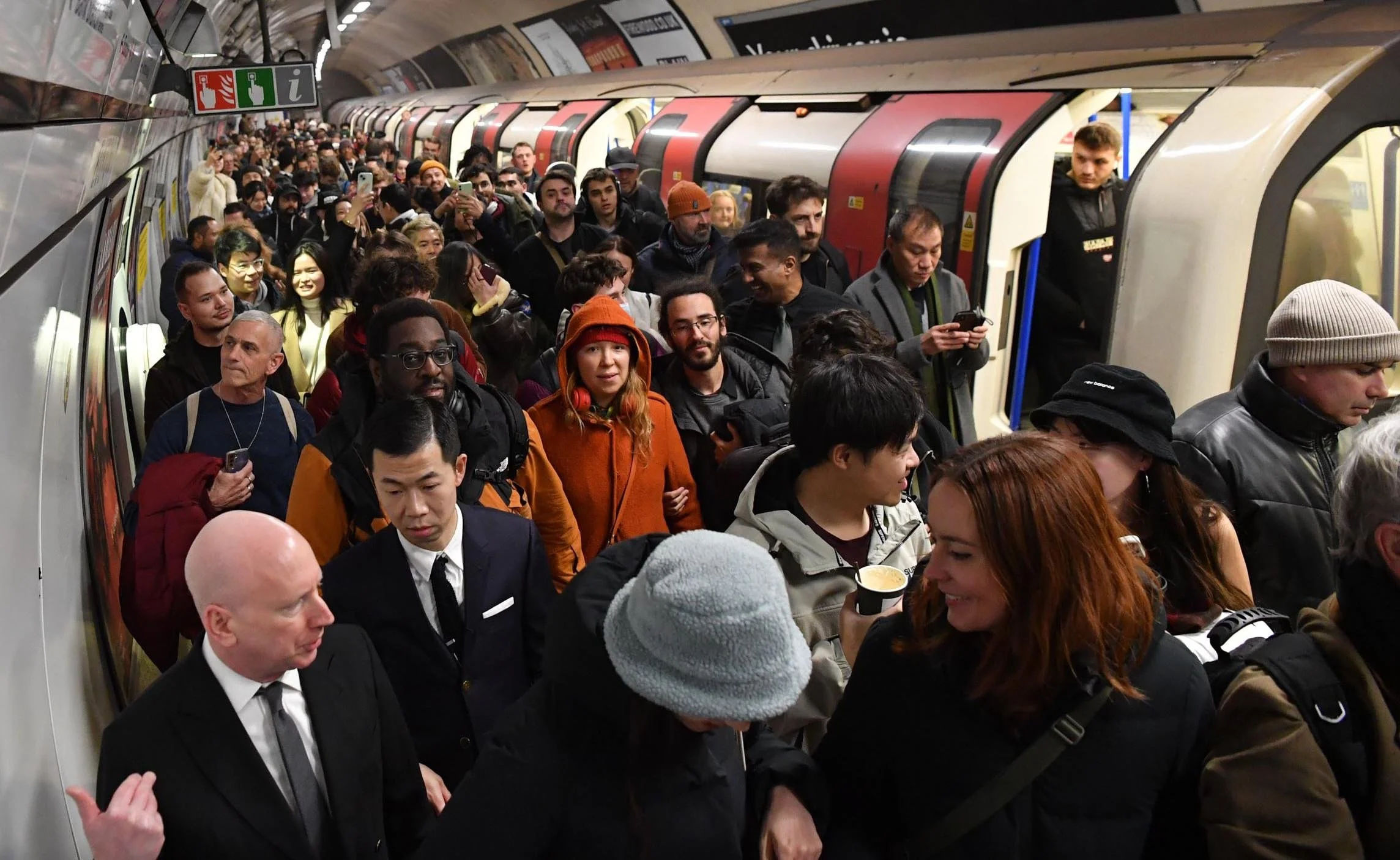
London Underground drivers are poised to commence a series of 24-hour strikes within days, threatening to plunge festive and winter travel into chaos across the capital.
The Rail, Maritime and Transport (RMT) union has announced a programme of walkouts on the Tube, scheduled between November 2026 and February 2027. This industrial action stems from an ongoing dispute concerning the implementation of a four-day working week.
According to the RMT, the proposed new arrangements would necessitate drivers spending more time operating trains, enduring longer duties, and facing earlier starts and later finishes.
These upcoming strikes follow a service control strike that began on the Piccadilly line on Friday, which resulted in severe disruption for passengers and the complete cancellation of the line’s Night Tube service.
Commuters are now left questioning the extent of the impending travel disruption and how these strikes will impact various London Underground lines.
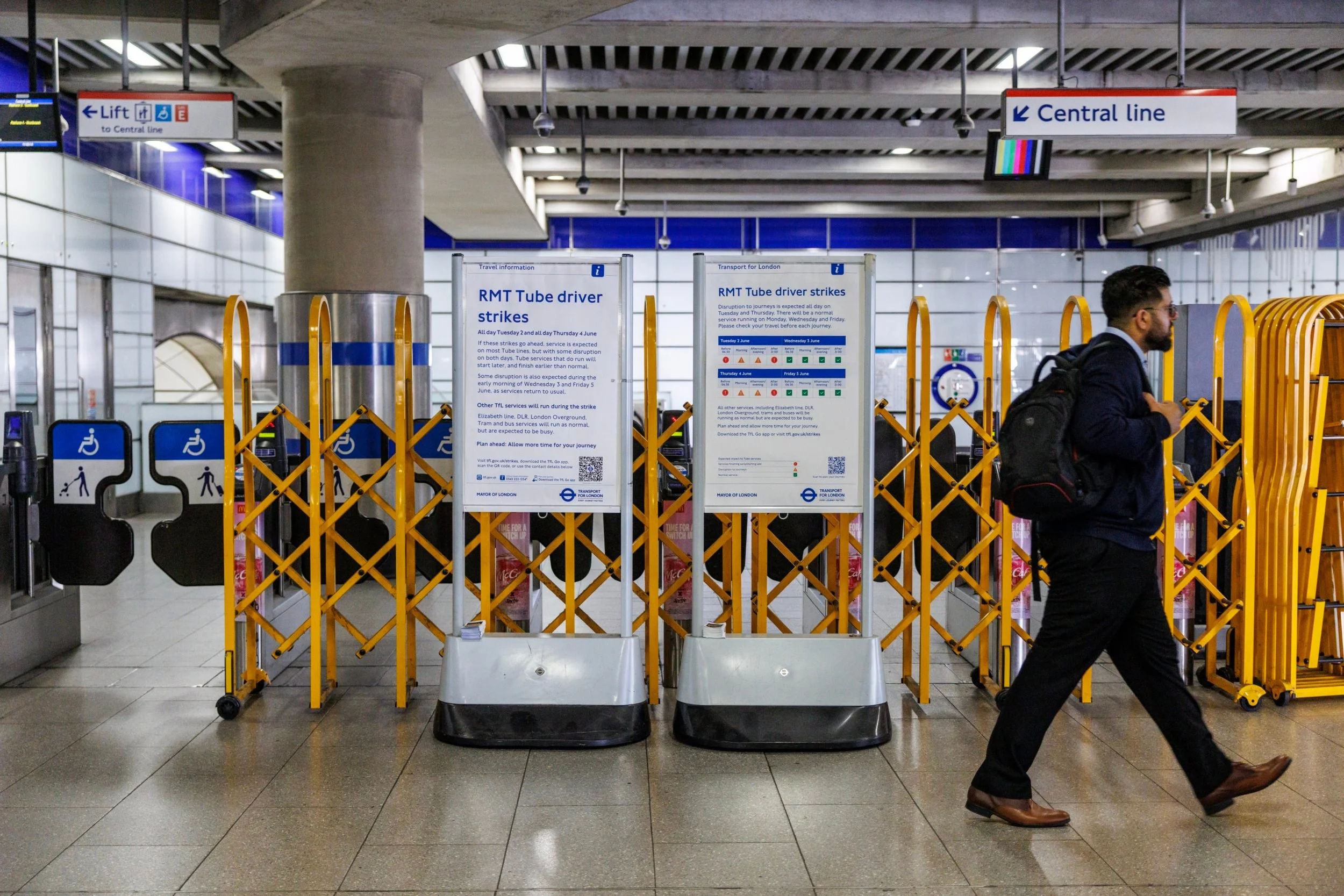
Full List of Forthcoming Tube Strikes
A total of seven significant Tube strikes are planned, spread across late November, December, January, and February.
Each strike will commence at midday and conclude at midday the following day. However, it is important to note that services are likely to remain affected even after the official end of each strike period.
The confirmed strike dates are as follows:
- Thursday, November 26 to Friday, November 27
- Thursday, December 17 to Friday, December 18
- Saturday, December 19 to Sunday, December 20
- Monday, January 4 to Tuesday, January 5
- Wednesday, January 6 to Thursday, January 7
- Wednesday, February 17 to Thursday, February 18
- Tuesday, February 23 to Wednesday, February 24
As with previous industrial actions, negotiations between Transport for London (TfL) and the RMT union are ongoing, and there remains a possibility that some of the listed strikes could be called off.
Affected Lines and Services

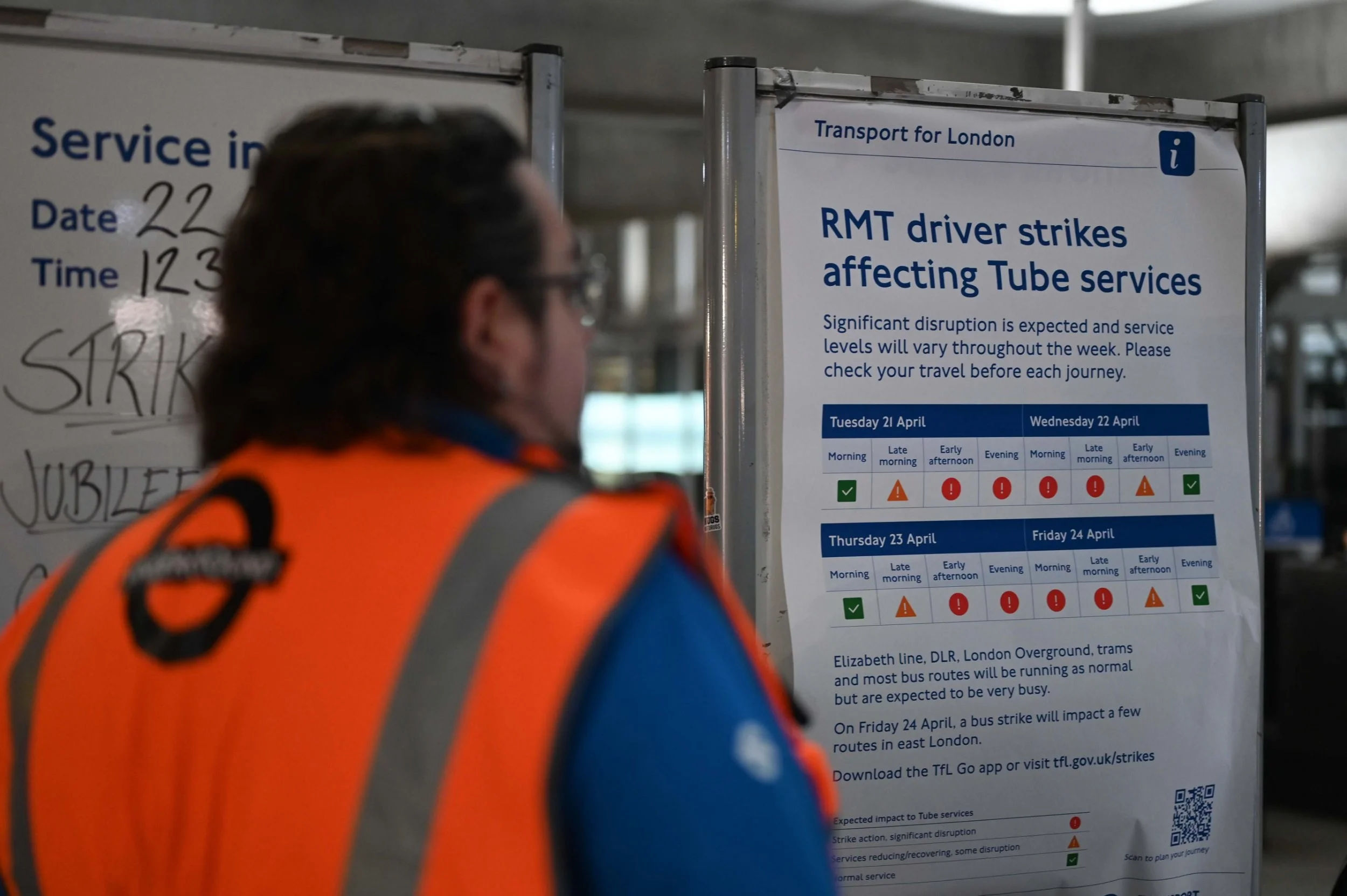
Transport for London has indicated that "some disruption" is expected across all Tube lines, but anticipates that trains will still run on most routes. During a prior strike in June, the majority of London Underground lines experienced minor to severe delays, while the Circle and Waterloo & City lines were entirely suspended.
For the upcoming strikes, the Elizabeth line, DLR, London Overground, bus, and tram services are all expected to run normally. However, TfL has issued a warning that these alternative transport options are likely to be significantly busier than usual. Anyone planning to travel during the Tube strikes is advised to plan their journey meticulously and allocate additional time.

Union Statements on the Dispute
RMT general secretary Eddie Dempsey criticised the new proposals, stating: "London Underground is attempting to dress up a wholesale attack on drivers’ working conditions as a voluntary four-day week."
He argued: "But there is nothing voluntary about a scheme that forces drivers to give up existing protections whether they work four days or five, and threatens those who refuse with displacement from their depots. Our members are being asked to spend more time driving trains, accept longer and more unpredictable shifts and surrender agreements that have been negotiated and defended over many years."
Conversely, the rival union Aslef has expressed strong support for the four-day work week, hailing it as a "once in a lifetime opportunity for workers."
Finn Brennan, Aslef’s full-time organiser on London Underground, voiced his surprise at the RMT's decision: "We are surprised that the RMT has, once again, decided to take strike action to try to prevent Underground drivers moving to a four-day week on a voluntary basis."
Brennan further explained the benefits: "The voluntary four-day week gives Tube train drivers an extra 35 days off every year, with rosters based on a 34-hour week in return for some changes to working conditions and moving to electronic, rather than paper-based, systems for booking on for duty. We are in discussions with Transport for London about how the final details of this will work in practice."
He also highlighted a key concession: "Management have agreed that anyone who wants to keep working a five-day week will be able to do so without suffering any detriment, and we will be holding them to that. A strike designed to stop people having the choice of a shorter working week and more time off is a strange choice to make."