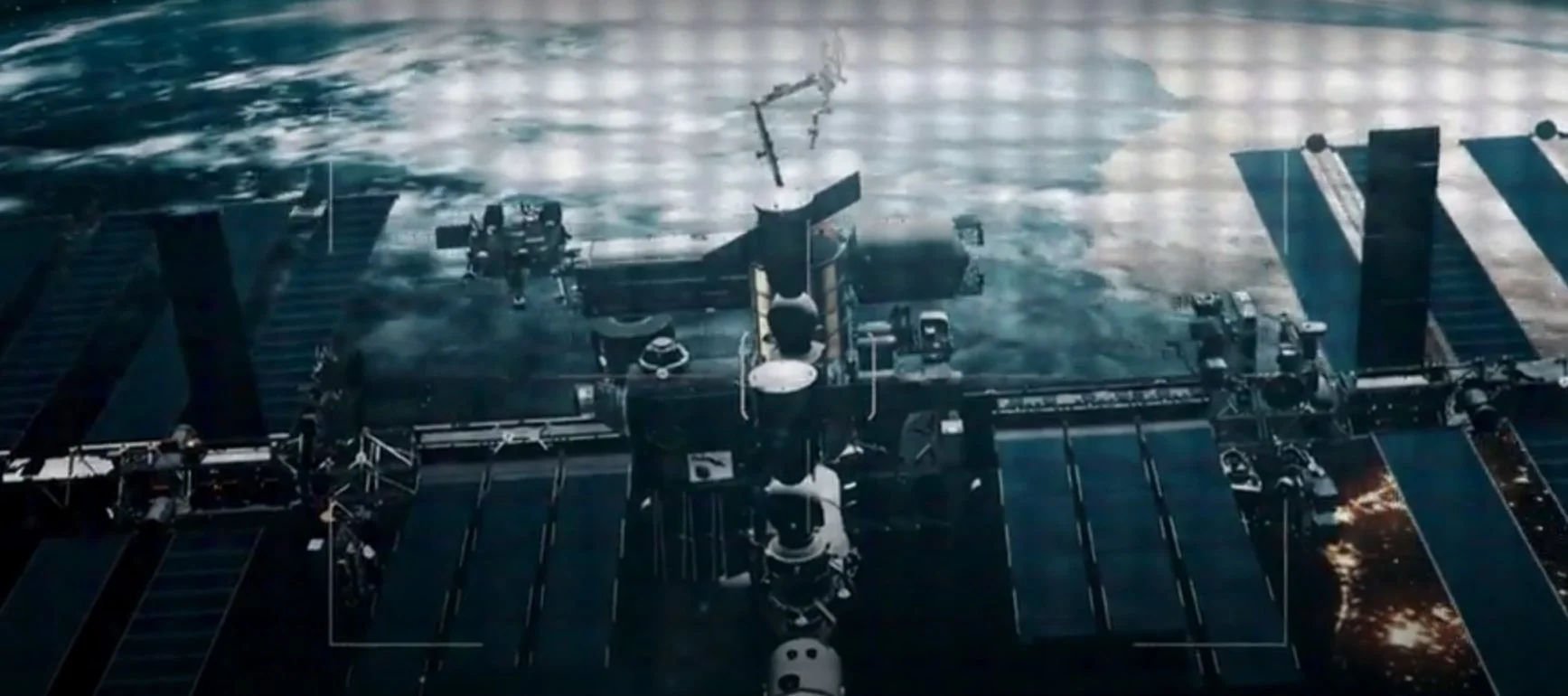
Western intelligence agencies have indicated that Russia is on the brink of launching a nuclear-armed satellite into space before the close of this year, a move that would represent a significant escalation in geopolitical tensions.
For several years, warnings have circulated regarding Russia’s capacity to target or disrupt critical satellites belonging to other nations. Reports suggest that Russian satellites have approached within mere kilometres of European spacecraft, drawing comparisons between their activities in orbit and their known mapping and targeting of undersea cables.
If Russia proceeds with the launch of this satellite, reportedly codenamed 'Sputnik S' and equipped with a nuclear warhead, it would constitute a clear violation of the 1967 Outer Space Treaty, which explicitly prohibits weapons of mass destruction in orbit.
Intelligence assessments suggest that this weaponised satellite could be deployed within the next month, potentially as early as December.
When questioned about these intelligence findings, the Russian embassy dismissed them as "unfounded allegations."
The US Defence Intelligence Agency has warned that once a nuclear weapon is deployed into space, there are no effective countermeasures, rendering its use unstoppable. Such a detonation in space would have devastating consequences for the tens of thousands of satellites currently in orbit, almost all of which would likely fail.
Earlier this year, German Major General Michael Traut cautioned that a space-based nuclear detonation would severely damage global infrastructure. Satellites in low-Earth orbit, positioned less than 1200 miles above our planet, would be particularly vulnerable. Experts estimate that up to one-third of these satellites could become inoperable after such an event.
The resulting electromagnetic pulse (EMP) generated by a nuclear blast in space would cripple global communications, GPS systems, banking networks, and military command structures. This would also generate a significant amount of space debris, initiating a perilous domino effect of further collisions.
Major General Traut's concerns are echoed by other international leaders, including NATO Secretary General Mark Rutte, who have also expressed alarm over the risks posed by Russian nuclear weapons in space. In 2024, Russia notably vetoed a UN resolution that called upon member states to abstain from developing nuclear weapons or other weapons of mass destruction for deployment in space.
In response to growing fears of space warfare, countries worldwide are increasingly focusing on space defence strategies. Last year, Germany announced plans to invest 35 billion euros in advanced space technologies, including the development of jammers, lasers, and protective spaceplanes.