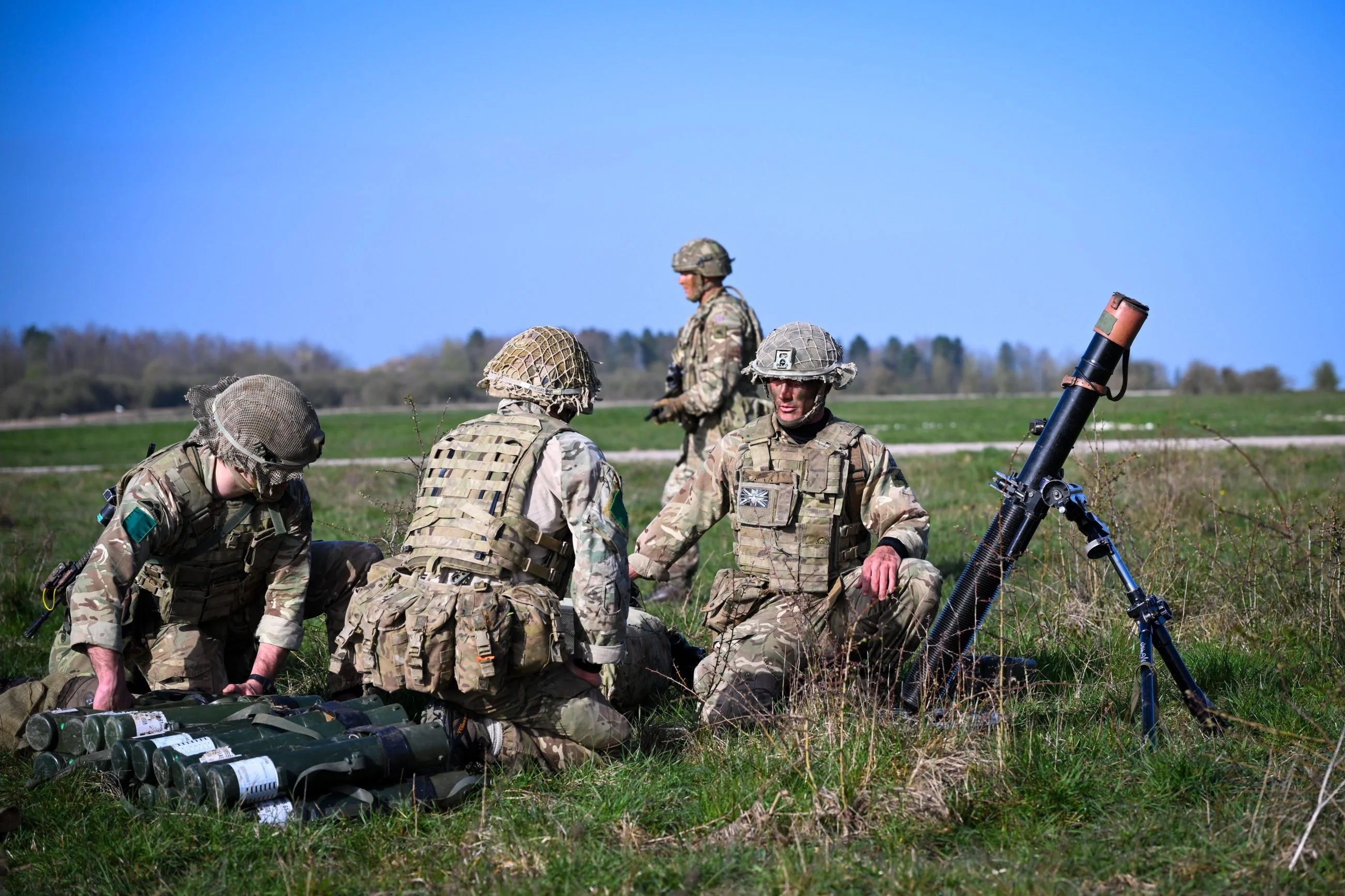
The Ministry of Defence (MoD) has dispatched letters to over 100,000 reservists, urging them to brace for potential conflict in what marks the first such call-up since the Cold War era.
Each reservist received a request to update their contact details, provide information on their current skills and employment, and was offered opportunities for voluntary training and exercises.
An Army source disclosed to The Telegraph: "Just because you were once a tank driver, your civilian skills now could be completely different and actually more useful to defence."
This communication, sent to personnel across the Army, Navy, and Air Force, is reportedly the first initiative of its nature since the conclusion of the Cold War.
The MoD stated that these letters represent a "practical step to strengthen preparedness and deterrence, helping reduce the risk of conflict."
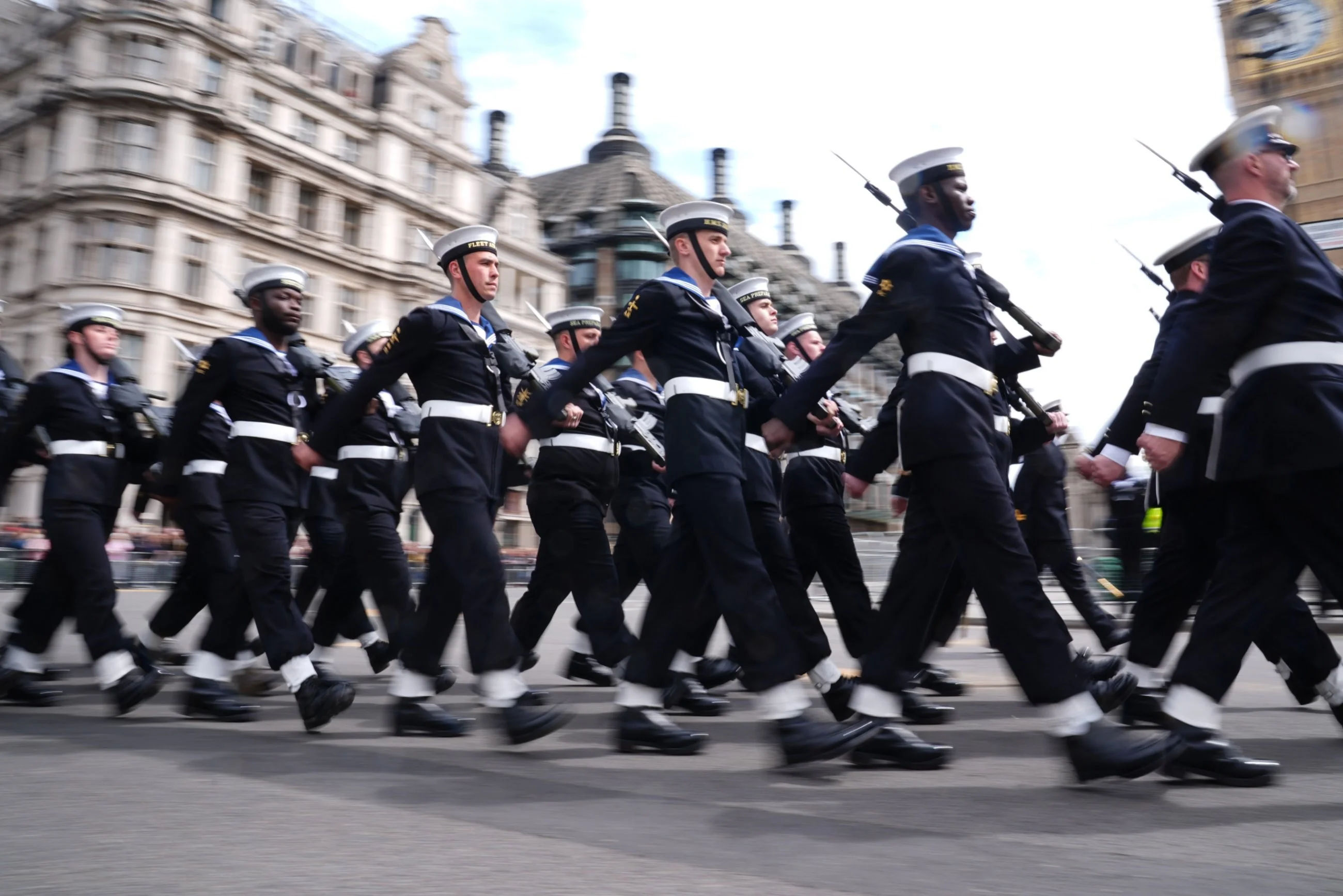
Just last month, Defence Secretary Wes Streeting affirmed: "My defining priority is to make sure that this country is ready to fight and win a war. To prevent the worst, we have to prepare for it. In the first instance, that means expanding our capabilities so our adversaries think twice about attacking us. Should that fail, we must ensure that Britain is ready for war."
Coinciding with these developments, the Ministry of Defence (MoD) today unveiled an £8 billion investment aimed at upgrading its nuclear submarines.
This substantial investment is intended to ensure that Royal Navy submarines spend less time undergoing maintenance and more time deployed at sea. The initiative involves transforming naval base services and modernising operational methods.
The five-year contract, awarded to British defence firm Babcock, is anticipated to generate approximately 3,000 highly-skilled jobs, primarily in Plymouth, Clyde, and Bristol, alongside 2,500 apprenticeship and graduate opportunities, according to the MoD.
These measures come amidst escalating threats confronting NATO from Russia, including multiple airspace incursions observed within the past fortnight.
Notably, earlier this week, the source of GPS interference affecting several British and Irish flights this month was identified as a Russian warship. The vessel, escorting three cargo ships approximately 190 miles off the English coast, was pinpointed as the probable source by aviation intelligence group Hexbird.
Metro had previously disclosed that Russia has been intentionally targeting thousands of passenger flights with electronic attacks for an extended period. Moreover, Russia is also suspected of orchestrating a GPS jamming incident that impacted a RAF jet carrying John Healey in May.
In late August, the chair of the National Preparedness Commission issued a warning to the British public, emphasising the need to take rising global threats seriously and commence preparations for potential emergencies.