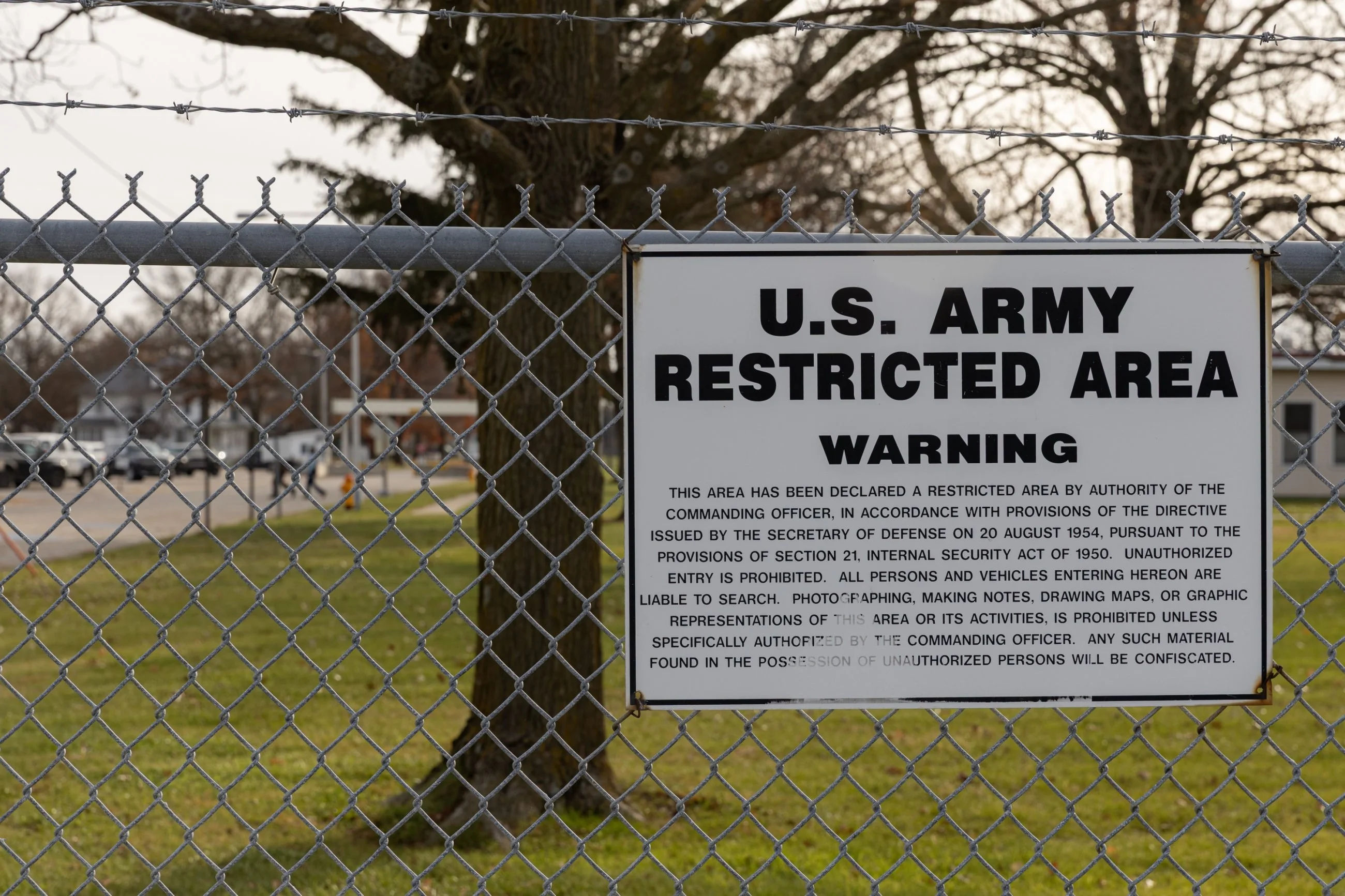
The US Army is proceeding with the controlled detonation of five tonnes of lead azide at an ammunition plant in Iowa today, despite widespread apprehension regarding potential environmental and health risks.
This controlled explosion of lead azide, an explosive compound derived from lead, is slated to take place at the Iowa Army Ammunition Plant. Authorities have stated that it would be "irresponsible" to delay the detonation, citing fears that the material could spontaneously explode.
Army Major General Eric Shirley asserted: "Inaction is no longer an option."
While physical barriers have been erected around the blast zone to contain the anticipated toxic dust, local residents are expressing considerable outrage over the operation.
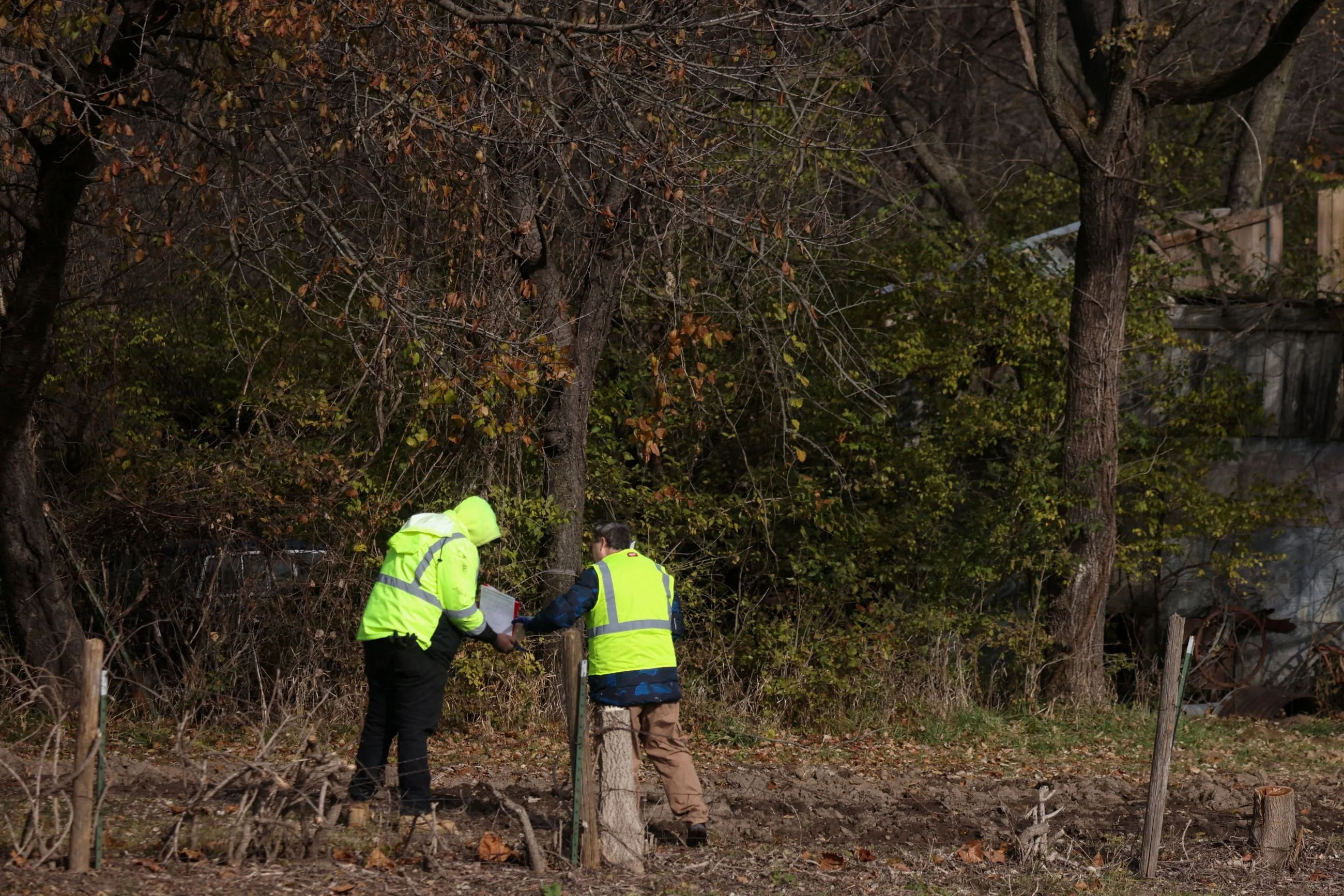
Residents in the area are reportedly taking shelter, describing the impending event as a potentially "apocalyptic" explosion.
A panel from the Court of Appeals has affirmed that the US Environmental Protection Agency has implemented sufficient safeguards; however, concerns persist among the populace.
Officials have conceded the toxic nature of lead, leading many to seal their windows and doors in preparation for the blast. Nevertheless, anxieties extend to individuals living hundreds of miles away.
Atmospheric chemist Delphine Farmer conveyed to CNN: "Once it does explode, there is a risk to nearby communities within a few miles. They’ll be exposed to smoke, particles and dust that have this lead in them. Those lead particles can also transport dozens of miles away and deposit onto people’s soil or get into their homes."
Young children and pregnant women are particularly vulnerable to lead poisoning if exposed. Lead can enter the bloodstream, potentially harming developing foetuses, causing miscarriages, and leading to other severe health complications. Furthermore, children absorb lead more readily than adults, rendering any potential fallout from this explosion especially hazardous for them.
The scheduled detonation today is anticipated to be so powerful that it could inflict damage on buildings and shatter windows.
The actual explosion will occur underground, within concrete bunkers encased by sand barriers. Despite this, many are worried that the underground detonation could also introduce lead into vital groundwater supplies.
Michael Schmidt, General Counsel at the Iowa Environmental Council, commented: "When our federal government makes decisions that result in a potentially toxic plume of lead dust that could cover much of southeastern Iowa, Iowans deserve to know that every available alternative was considered before choosing this method of disposal."